
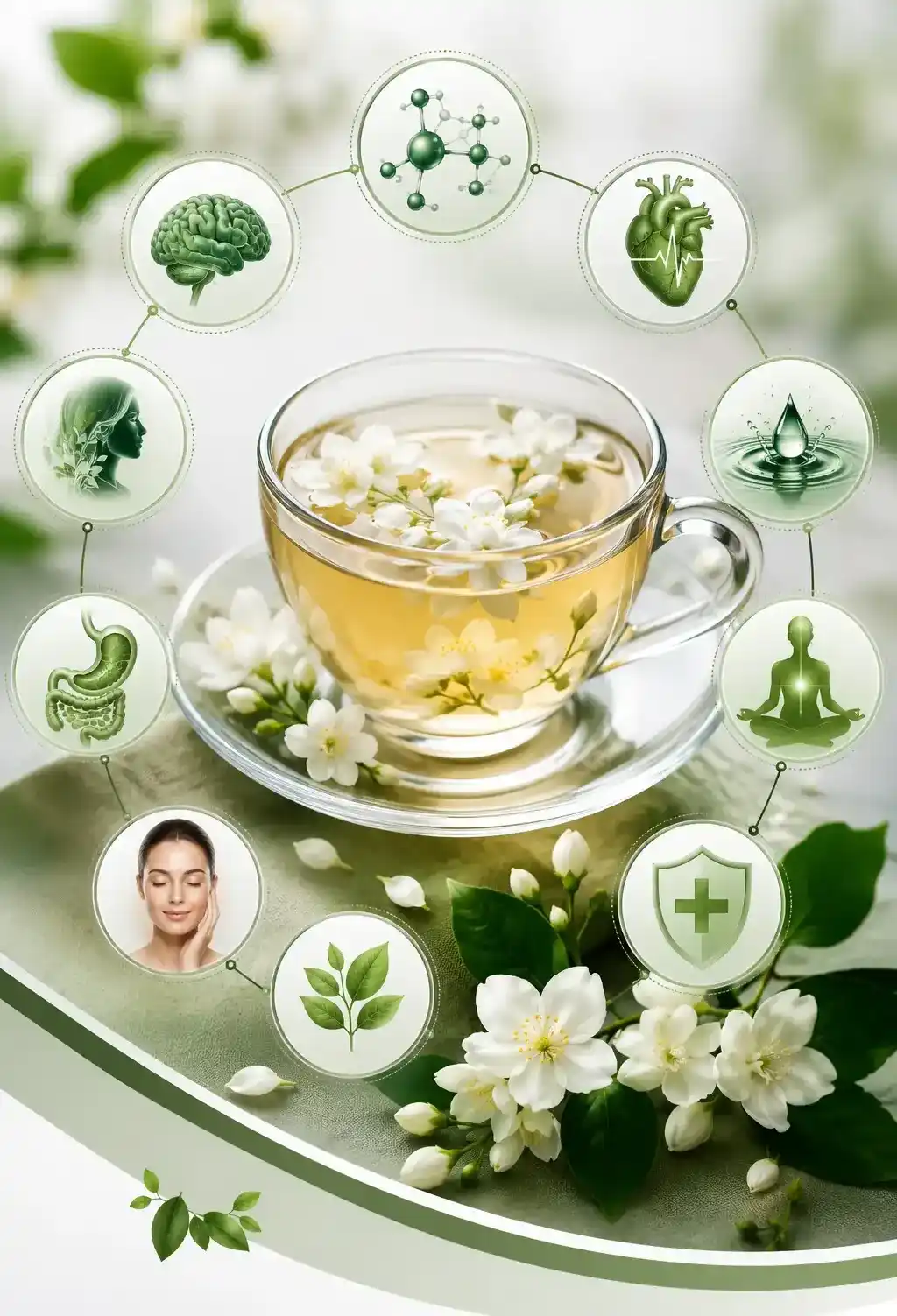
Jasmine Flower Tea
Jasmine Flower Tea Benefits, History & Brewing Guide
Table of Contents
A Quick Answer
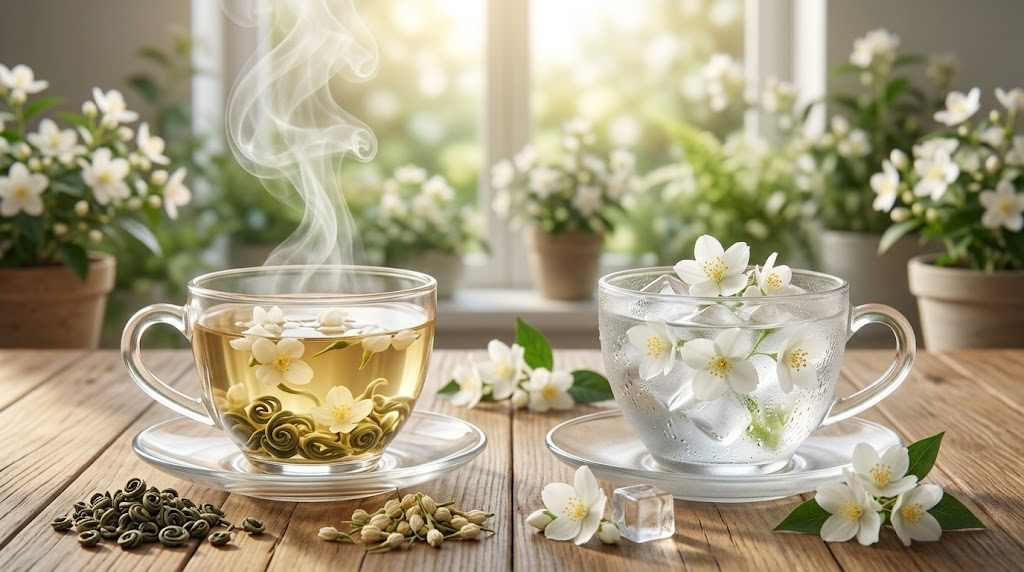
Jasmine flower tea is a fragrant tea traditionally made by naturally scenting premium tea leaves with fresh jasmine blossoms. Known for its delicate floral aroma and smooth taste, it has been enjoyed for centuries as a refreshing beverage and is widely appreciated for its antioxidant content, calming tea-drinking experience, and versatility. Whether served hot or iced, jasmine flower tea is a flavorful addition to a balanced lifestyle.
Introduction
Imagine opening a freshly brewed cup of tea and being greeted by the delicate scent of blooming jasmine flowers. That first floral aroma is more than just pleasant it represents centuries of tea-making tradition, careful craftsmanship, and a timeless appreciation for nature.
Today, jasmine flower tea is one of the most beloved scented teas in the world. From traditional Chinese tea ceremonies to modern American kitchens, this elegant beverage has earned a reputation for its refreshing taste, naturally sweet floral fragrance, and wellness-focused appeal.
Unlike artificially flavored drinks, authentic jasmine flower tea is created using a traditional scenting process in which fresh jasmine blossoms naturally perfume premium tea leaves. The result is a tea that offers both a delightful sensory experience and the characteristics of its tea base, whether green, white, black, or oolong.
As interest in natural beverages continues to grow across the United States, more people are choosing jasmine flower tea as an alternative to sugary drinks and heavily processed beverages. Its combination of flavor, simplicity, and versatility makes it suitable for busy professionals, tea enthusiasts, wellness-conscious families, and anyone looking to enjoy a mindful moment during the day.
In this comprehensive guide, you’ll learn how jasmine flower tea is made, explore its fascinating history, discover its potential wellness benefits, and find practical tips for choosing, brewing, and enjoying a high-quality cup at home.
What Is Jasmine Flower Tea?
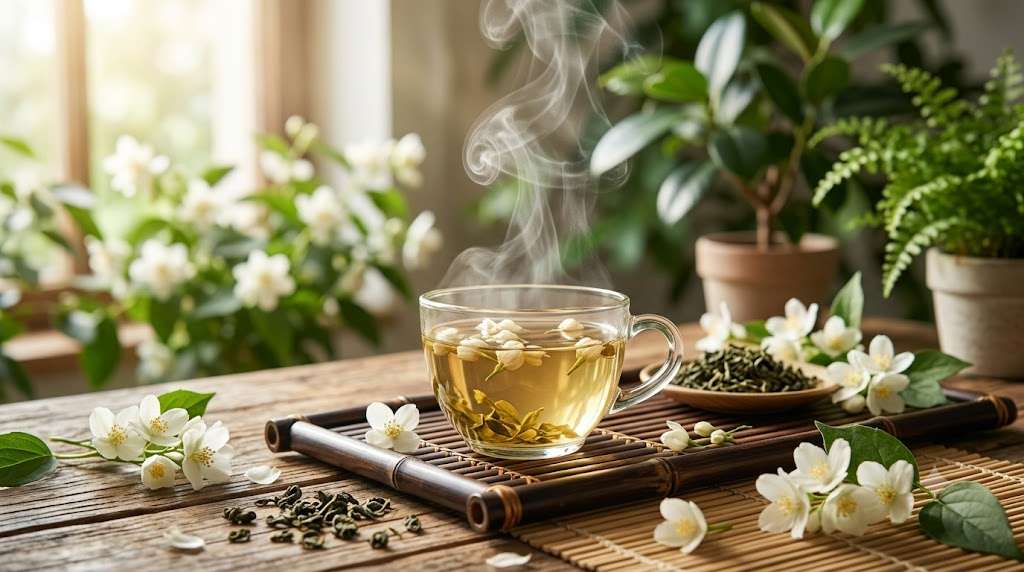
Jasmine flower tea is a scented tea created by infusing premium tea leaves with the natural fragrance of freshly harvested jasmine blossoms. Instead of adding artificial flavoring, skilled tea producers use a traditional process that allows the leaves to absorb the flowers’ aroma naturally.
The tea base can vary depending on the producer, with the most common options including:
- Green tea
- White tea
- Black tea
- Oolong tea
There are also herbal jasmine infusions made entirely from dried jasmine blossoms. These herbal versions are generally caffeine-free because they do not contain leaves from the Camellia sinensis tea plant.
This distinction is important, as many people assume all jasmine teas are caffeine free. In reality, the caffeine content depends on the tea base rather than the jasmine flowers themselves.
Did You Know?
The captivating fragrance in authentic jasmine flower tea comes from natural scenting, not artificial perfumes. Premium teas may be scented with fresh blossoms several times to achieve a deeper, more refined aroma.
The Fascinating History of Jasmine Flower Tea
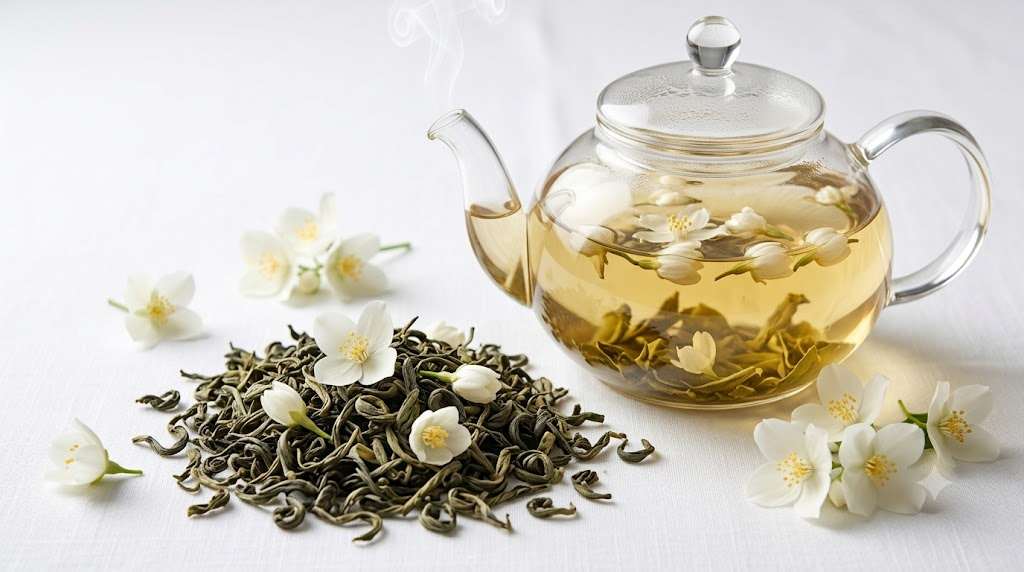
The story of jasmine flower tea begins more than a thousand years ago, when jasmine plants were introduced to China through historic trade routes. Over time, tea artisans refined the practice of combining fragrant blossoms with high quality tea leaves, transforming a simple beverage into an enduring cultural tradition.
During the Song Dynasty (960–1279 CE), scented teas gained popularity among scholars and the imperial court. By the Ming Dynasty (1368–1644 CE), the art of scenting tea with jasmine blossoms had become highly sophisticated, with producers carefully repeating the scenting process multiple times to create teas of exceptional quality.
One of the regions most closely associated with premium jasmine tea production is Fujian Province, where favorable growing conditions support both high quality tea plants and fragrant jasmine flowers. Even today, many respected jasmine teas originate from this region.
As international trade expanded, jasmine flower tea gradually found its way to Europe and later to North America. Today, it is enjoyed worldwide by people who appreciate its elegant flavor and the calming ritual of preparing a fragrant cup of tea.
How Jasmine Flower Tea Is Made
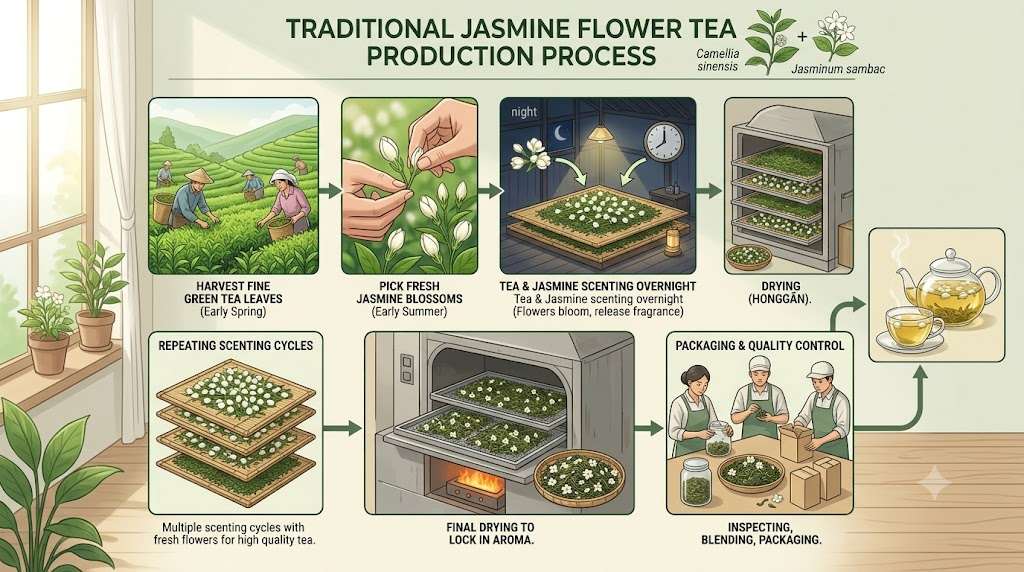
Producing authentic jasmine flower tea is a labor intensive process that combines agricultural expertise with generations of craftsmanship.
1. Harvesting Premium Tea Leaves
Tea leaves are typically harvested in the spring, when they are young, tender, and rich in flavor. Depending on the desired style, producers may use green, white, black, or oolong tea as the foundation.
2. Picking Fresh Jasmine Blossoms
Jasmine flowers are harvested during the day while still closed. As evening approaches, the blossoms begin to open, releasing the rich floral fragrance needed for the scenting process.
3. The Traditional Scenting Method
Fresh blossoms are carefully layered with tea leaves in controlled environments. As the flowers bloom overnight, the leaves gradually absorb the natural aroma without the need for artificial additives.
For premium grade jasmine flower tea, this process may be repeated several times to create a richer and more complex fragrance.
4. Separating the Blossoms
After scenting is complete, most blossoms are removed. Some premium products intentionally leave a small number of dried flowers in the finished tea for visual appeal, although the fragrance has already been absorbed by the leaves.
5. Drying and Packaging
The scented tea is gently dried to preserve its freshness before being packaged. Proper storage helps maintain both its floral aroma and delicate flavor until it reaches tea lovers around the world.
Types of Jasmine Flower Tea
Not all jasmine flower tea is the same. The tea base influences both flavor and caffeine content.
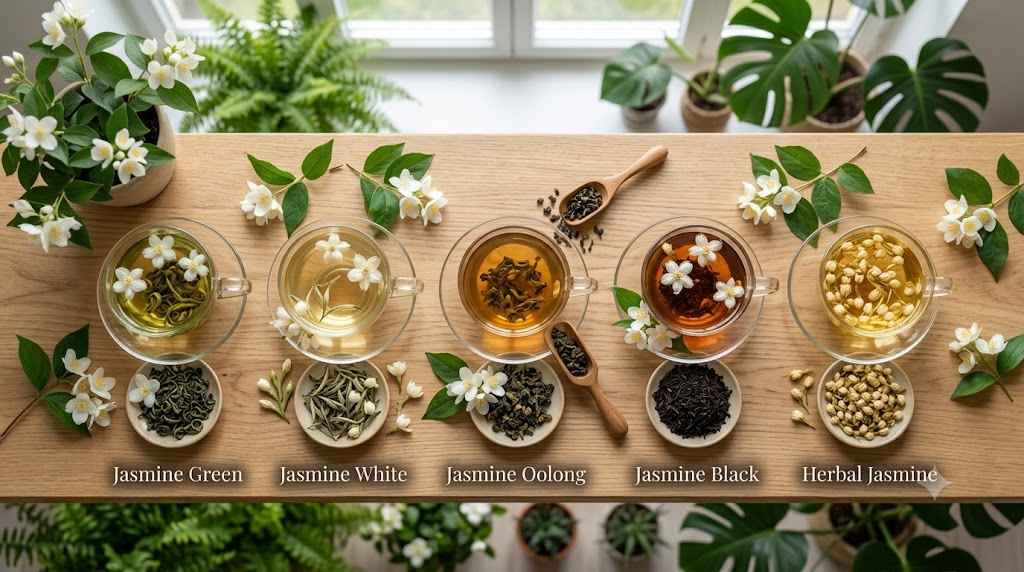
| Type | Flavor Profile | Caffeine |
| Jasmine Green Tea | Fresh, floral, lightly vegetal | Moderate |
| Jasmine White Tea | Delicate, naturally sweet | Low |
| Jasmine Oolong Tea | Floral with fruity notes | Moderate |
| Jasmine Black Tea | Bold, rich, aromatic | Moderate to High |
| Herbal Jasmine Flower Infusion | Pure floral flavor | Naturally caffeine-free |
Choosing the right variety depends on your personal taste preferences and whether you prefer a caffeinated or caffeine free beverage.
💡 Expert Tip
If you’re new to jasmine flower tea, start with a high-quality loose-leaf jasmine green tea. It offers the classic floral aroma and balanced flavor that has made this tea a favorite around the world.
Health Benefits, Nutrition & Wellness
Understanding the Nutritional Value of Jasmine Flower Tea
One of the reasons jasmine flower tea continues to grow in popularity is that it offers a flavorful beverage with virtually no calories when enjoyed without added sugar or sweeteners. Beyond its pleasant taste and floral aroma, this tea contains naturally occurring plant compounds that have been widely studied for their role in supporting overall wellness.
The exact nutritional profile depends on the tea base used. Most traditional jasmine flower teas are scented green tea, while others use white, black, or oolong tea. Herbal jasmine flower infusions made only from dried blossoms have a different composition and are generally caffeine free.
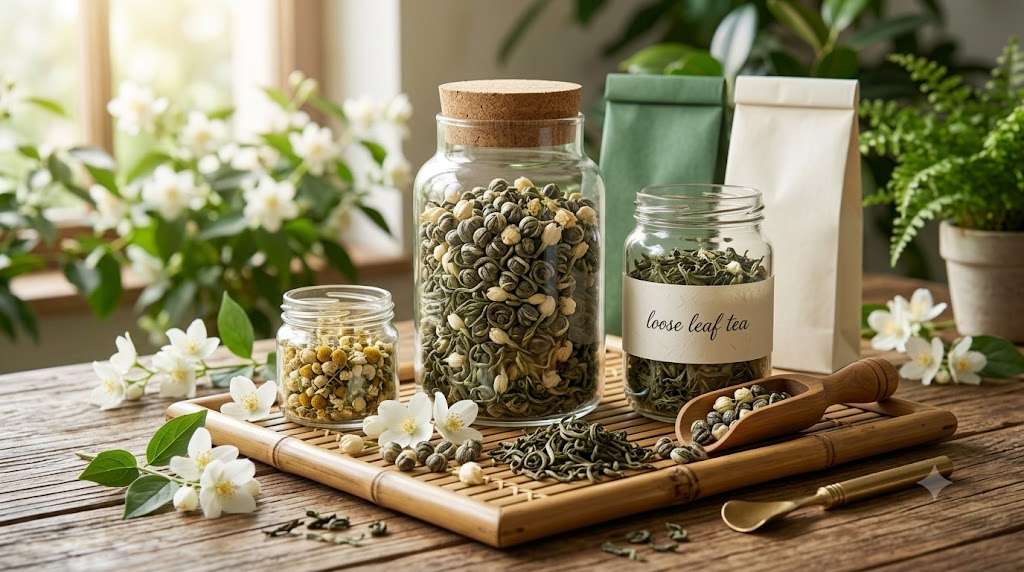
A Typical Cup of Unsweetened Jasmine Flower Tea Contains
- Calories: 0–5
- Total Fat: 0 g
- Carbohydrates: 0 g
- Protein: 0 g
- Sugar: 0 g
- Sodium: 0 mg
More importantly, jasmine flower tea naturally contains bioactive compounds such as:
- Polyphenols
- Flavonoids
- Catechins (especially in green tea based varieties)
- L-theanine
- Naturally occurring antioxidants
These compounds have been the focus of numerous scientific studies exploring their relationship with heart health, cognitive function, and overall well being.
💡 Quick Fact
The pleasant floral aroma comes from jasmine blossoms, while many of the tea’s antioxidant compounds come from the Camellia sinensis tea leaves used as the base.
Why Antioxidants Are Important
Every day, our bodies produce unstable molecules known as free radicals through normal metabolic processes. Environmental factors such as pollution, ultraviolet (UV) exposure, smoking, and chronic stress can also increase oxidative stress.
Antioxidants help protect cells by neutralizing these unstable molecules. While no single food or beverage can eliminate oxidative stress entirely, consuming antioxidant rich foods and drinks as part of a balanced diet may contribute to long term health.
Green tea based jasmine flower tea is especially valued because it contains catechins, a group of polyphenols that have been extensively researched for their antioxidant properties.
10 Potential Health Benefits of Jasmine Flower Tea
1. Rich in Antioxidants That Help Protect Cells
One of the most recognized qualities of jasmine flower tea is its naturally high antioxidant content.
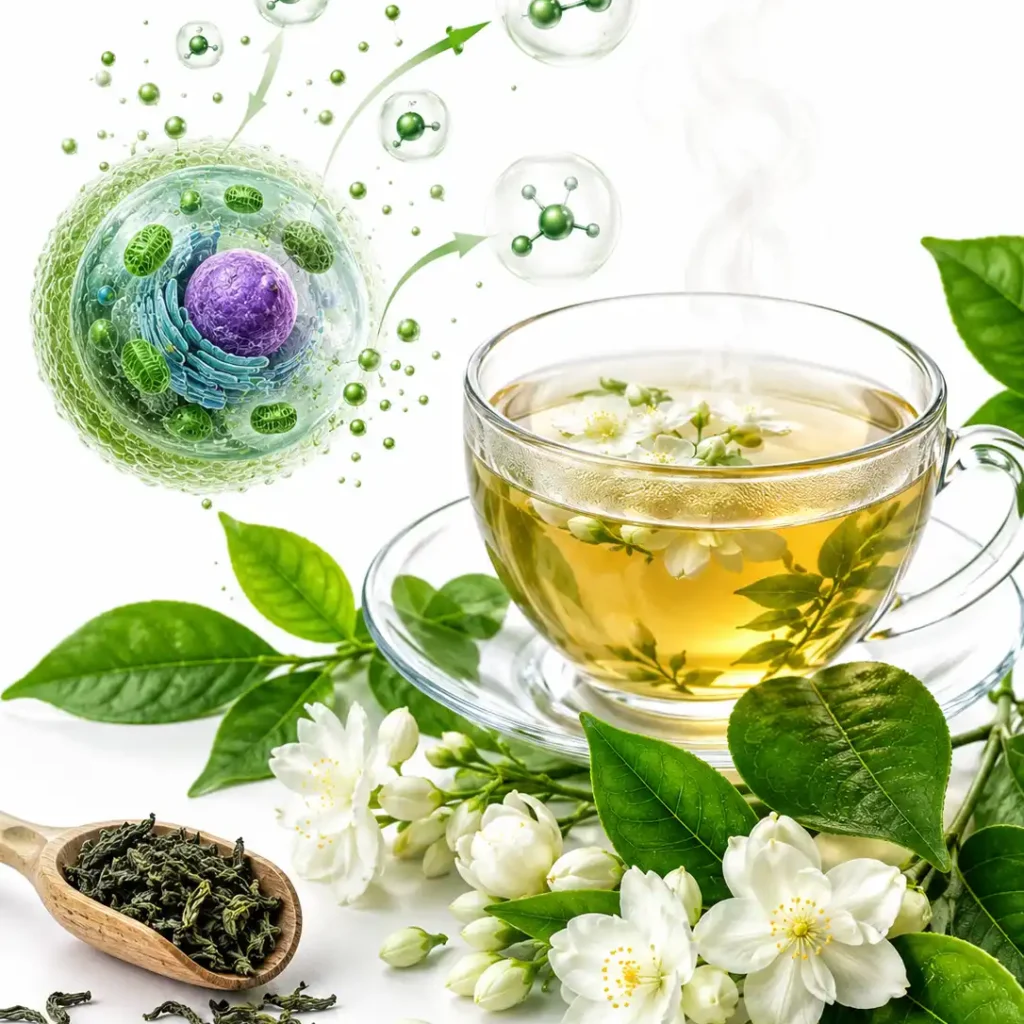
Green tea varieties are particularly rich in catechins, including epigallocatechin gallate (EGCG)-one of the most researched plant antioxidants. These compounds help protect cells from oxidative stress and support the body’s natural defense systems.
While antioxidants are found in many fruits and vegetables, choosing beverages like jasmine flower tea can be another enjoyable way to include antioxidant rich foods in your daily routine.
2. May Support Heart Health
Cardiovascular health is influenced by many lifestyle factors, including diet, physical activity, sleep, and stress management.
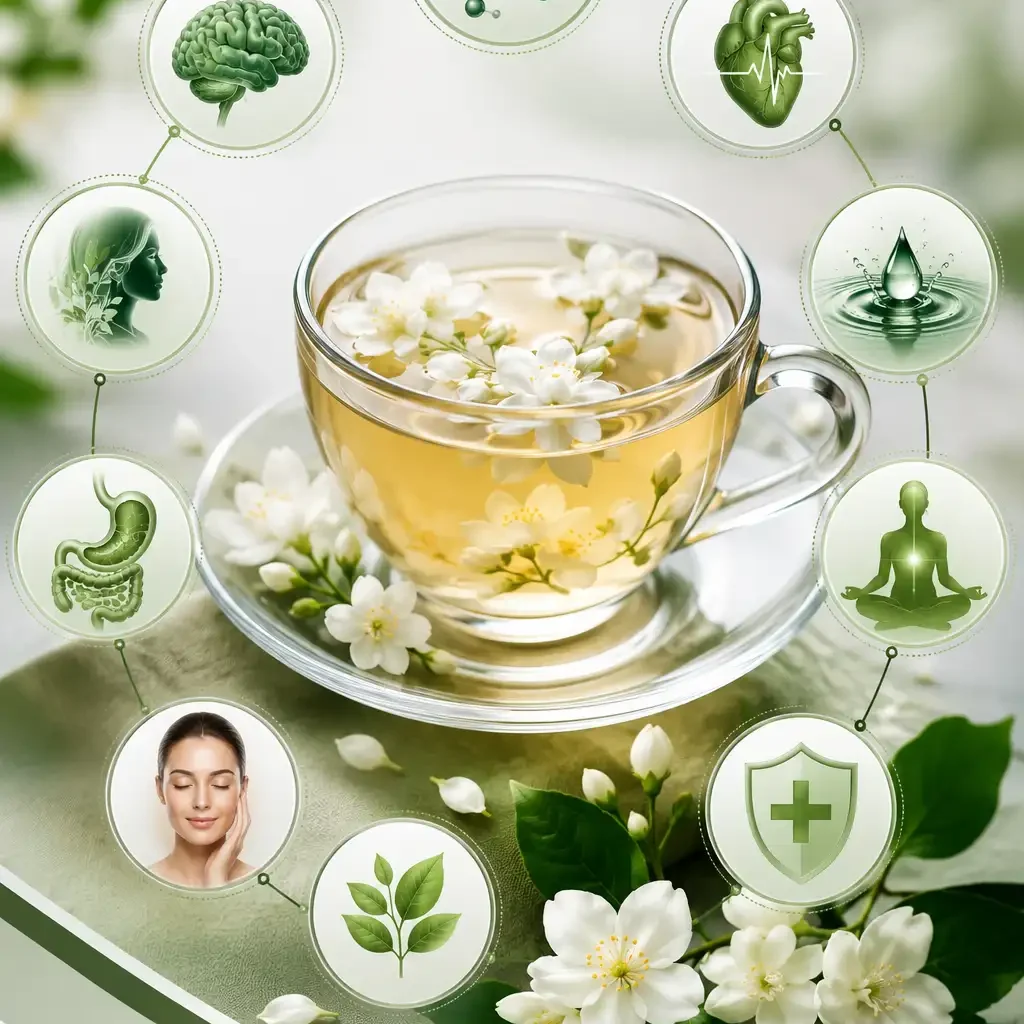
Some research suggests that regular tea consumption may be associated with heart health when included as part of an overall healthy lifestyle. The naturally occurring polyphenols in tea may help support healthy blood vessel function and normal circulation.
For the greatest benefit, pair jasmine flower tea with:
- A diet rich in fruits and vegetables
- Whole grains
- Regular exercise
- Adequate hydration
- Routine health checkups
Tea should insult not replace medical care or prescribed treatments.
3. Promotes a Calm and Mindful Tea Experience
One of the most appreciated aspects of jasmine flower tea is the experience it creates.
The gentle floral fragrance of jasmine has long been associated with relaxation in traditional tea culture. At the same time, green tea based jasmine tea contains L-theanine, an amino acid that has been studied for its potential to promote a relaxed yet alert mental state.
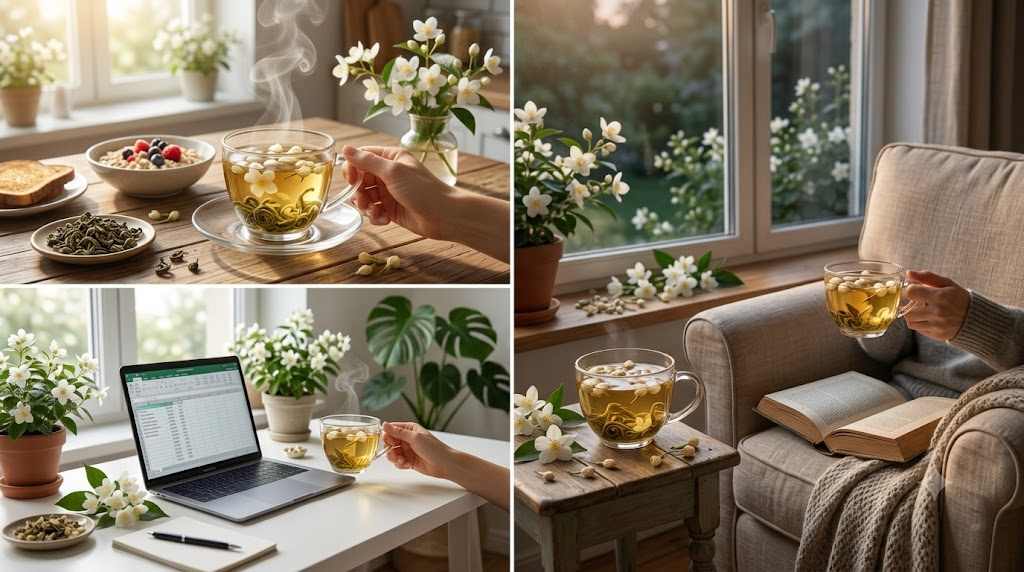
Many people enjoy jasmine flower tea while:
- Reading
- Journaling
- Practicing meditation
- Working from home
- Taking a break during a busy day
Sometimes, the ritual of preparing tea can be just as beneficial as the beverage itself.
🌸 Did You Know?
In traditional Chinese tea culture, jasmine flower tea is often served to welcome guests as a symbol of warmth, hospitality, and respect.
4. A Smart Alternative to Sugary Drinks
One of the simplest ways to improve your daily beverage choices is by replacing sugar sweetened drinks with unsweetened alternatives.
A freshly brewed cup of jasmine flower tea offers:
- No added sugar
- Very few calories
- A naturally refreshing flavor
- No artificial colors or flavors
Making this small change may help reduce overall sugar intake as part of a balanced eating pattern.
5. May Support Mental Focus
Unlike highly caffeinated energy drinks, jasmine flower tea typically provides a gentler source of caffeine when prepared with green tea.
The combination of moderate caffeine and L-theanine has been studied for its potential role in supporting:
- Attention
- Focus
- Mental clarity
- Productivity
Many professionals and students appreciate this balanced effect during work or study sessions.
6. Supports Daily Hydration
Proper hydration plays an important role in maintaining normal body functions, including temperature regulation, digestion, and circulation.
Although plain water remains the best choice for hydration, unsweetened jasmine flower tea can also contribute to your daily fluid intake.
For individuals who find plain water less appealing, tea may provide a flavorful way to stay hydrated throughout the day.
7. May Complement Digestive Wellness
Many cultures traditionally serve tea after meals, and jasmine flower tea is no exception.
Its light, floral flavor makes it a pleasant beverage to enjoy after eating. While research on digestion is still evolving, many people find that warm tea fits comfortably into their daily digestive routine.
If you experience ongoing digestive symptoms, consult a qualified healthcare professional for personalized advice.
8. May Support Healthy Skin as Part of a Balanced Lifestyle
Healthy skin depends on a combination of factors, including:
- Good nutrition
- Adequate hydration
- Quality sleep
- Sun protection
- Consistent skincare
Because jasmine flower tea contains antioxidants and can be enjoyed without added sugar, it may be a beneficial beverage choice within a broader wellness routine.
It’s important to remember that no tea alone can prevent or treat skin conditions.
9. May Support Healthy Aging
Oxidative stress is one factor associated with the natural aging process.
Choosing foods and beverages that contain antioxidants—along with maintaining healthy lifestyle habits may help support healthy aging over time.
Jasmine flower tea is one option that fits well into an overall diet rich in colorful fruits, vegetables, whole grains, and other nutrient dense foods.
10. Encourages Healthy Daily Habits
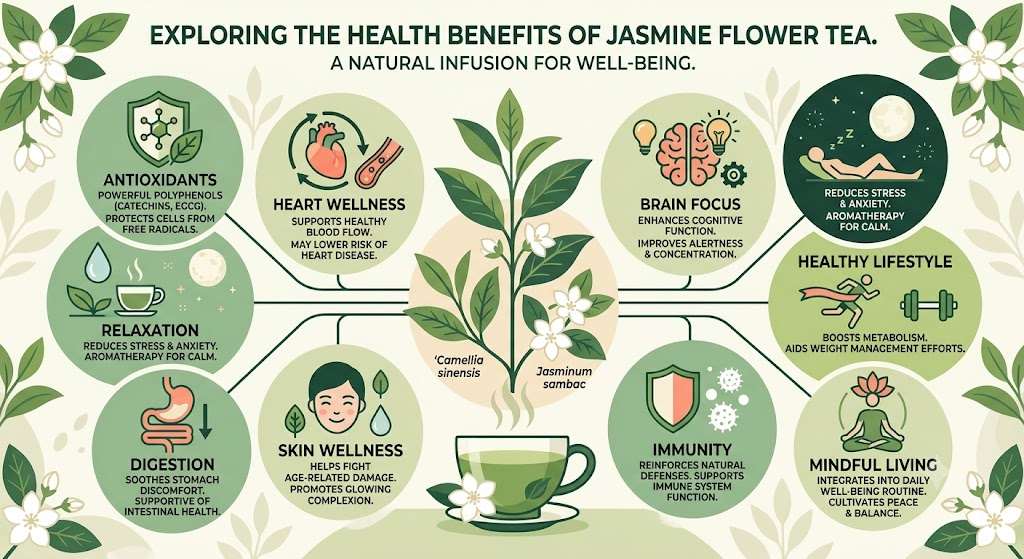
Sometimes the greatest benefit of jasmine flower tea isn’t found in a single nutrient it’s found in the habits it encourages.
Taking a few minutes to brew a fresh cup can help you:
- Slow down during a busy day
- Practice mindfulness
- Stay hydrated
- Replace sugary beverages
- Enjoy a moment of relaxation
- Create a consistent self-care routine
Small, positive habits practiced regularly often have a greater long-term impact than dramatic changes that are difficult to maintain.
Who Can Enjoy Jasmine Flower Tea?
For most healthy adults, jasmine flower tea can be a refreshing addition to a balanced lifestyle.
It may be especially appealing to:
- Tea enthusiasts looking for a floral flavor
- Individuals reducing sugary beverage consumption
- Professionals seeking a gentle afternoon refreshment
- Wellness-focused individuals building healthier routines
- People who enjoy both hot and iced tea
Those who are sensitive to caffeine, pregnant, breastfeeding, or managing specific medical conditions should consult a healthcare professional regarding appropriate caffeine intake and beverage choices.
📌 Expert Insight
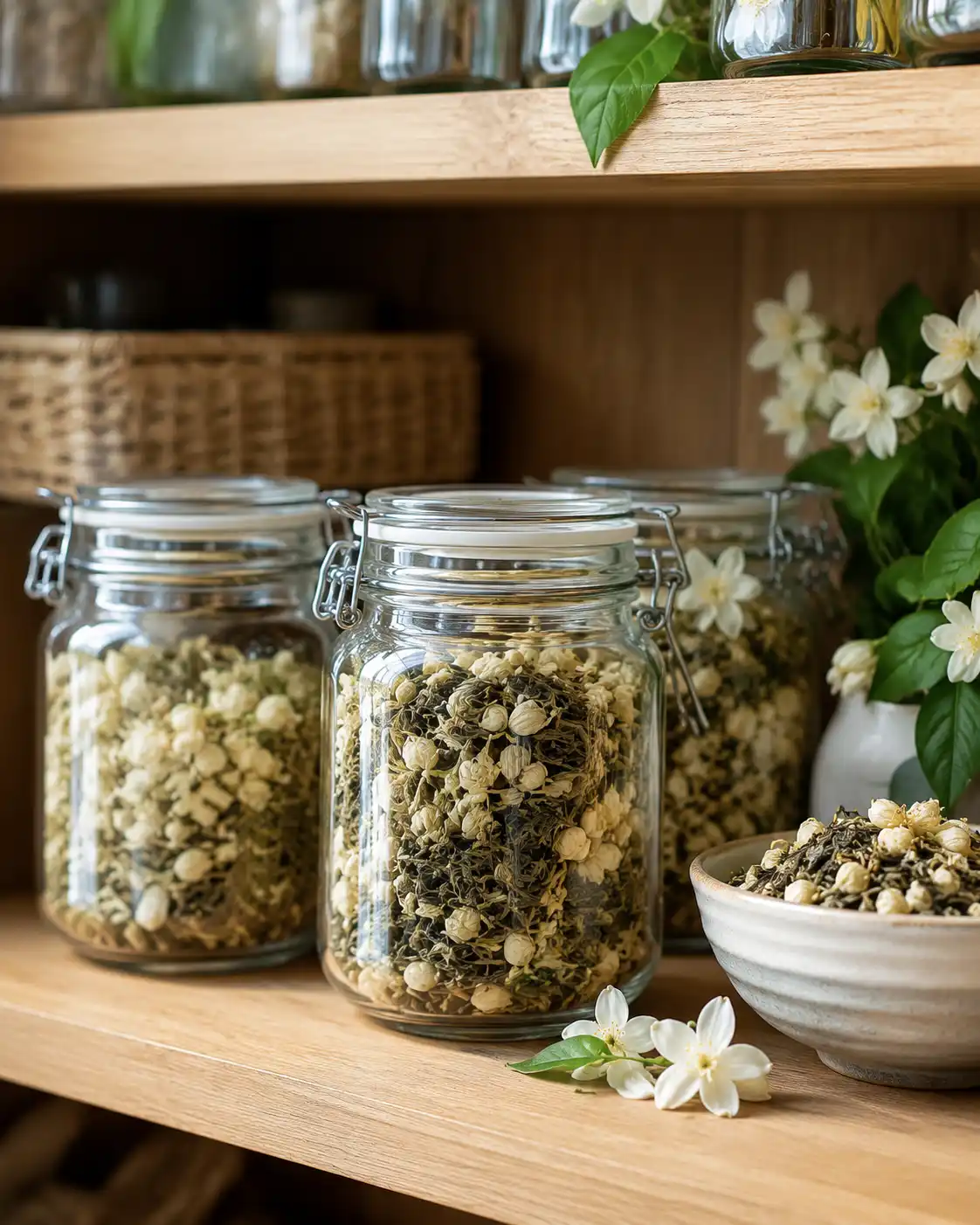
When selecting jasmine flower tea, remember that quality matters more than quantity. A premium loose-leaf tea naturally scented with fresh jasmine blossoms typically delivers a more authentic aroma and flavor than lower-quality products that rely on artificial flavorings.
How to Brew Jasmine Flower Tea for the Best Flavor
A perfectly brewed cup of jasmine flower tea is light, fragrant, and naturally smooth. However, using water that is too hot or steeping the tea for too long can overpower its delicate floral notes and create bitterness.
By following a few simple techniques, you can enjoy a café quality cup at home.
Quick Brewing Guide
| Brewing Element | Recommendation |
| Tea Amount | 1 teaspoon loose-leaf tea (or 1 tea bag) |
| Water | Fresh, filtered water |
| Water Temperature | 175°F–185°F (80°C–85°C) |
| Steeping Time | 2–3 minutes |
| Best Serving | Hot or iced |
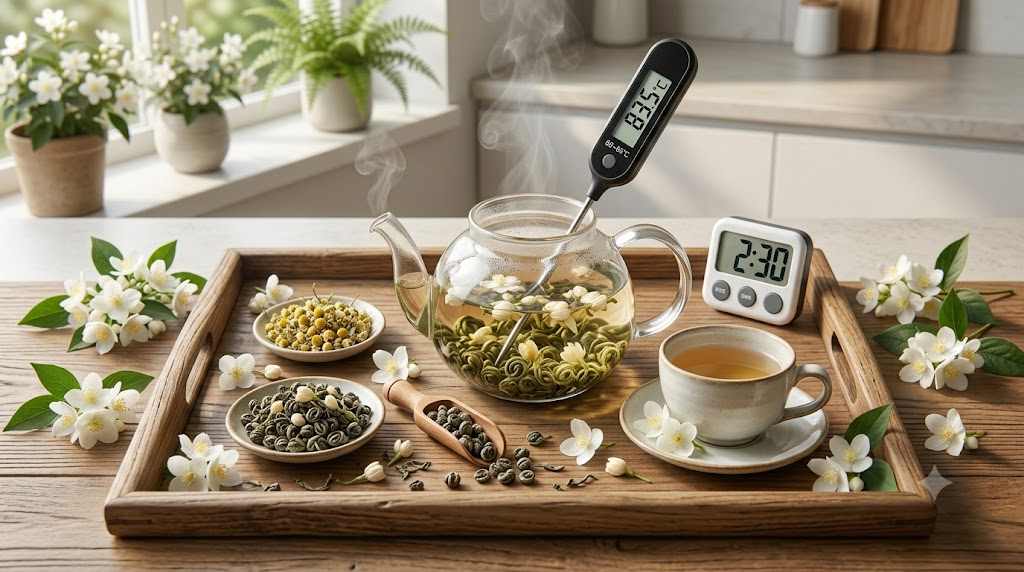
Step-by-Step Brewing Instructions
1. Start with Fresh Water
Always use fresh, filtered water. Since tea is mostly water, its quality has a direct impact on the final flavor.
2. Heat to the Right Temperature
Avoid boiling water for most green tea based jasmine flower teas. Excessive heat can scorch delicate tea leaves and reduce their naturally sweet floral character.
3. Measure Carefully
Use approximately one teaspoon of loose-leaf tea for every 8-ounce (240 ml) cup of water. This provides a balanced infusion without making the tea overly strong.
4. Steep Gently
Allow the tea to steep for 2–3 minutes. Taste after two minutes and adjust according to your preference. Longer steeping times can produce a more bitter cup.
5. Serve and Enjoy
Remove the tea leaves or tea bag immediately after steeping. Enjoy the tea plain or add a slice of fresh lemon if desired. If you prefer sweetness, use honey sparingly so the delicate jasmine aroma remains the star of the cup.
💡 Expert Tip
High-quality loose-leaf jasmine flower tea can often be infused 2–3 times. Each infusion reveals slightly different floral and tea notes, making every cup a unique experience.
How to Make Refreshing Iced Jasmine Flower Tea
Iced jasmine flower tea is an excellent alternative to sugar-sweetened beverages, especially during warmer months.
Ingredients
- 2 teaspoons loose leaf jasmine flower tea
- 2 cups filtered water
- Ice cubes
- Lemon slices (optional)
- Fresh mint (optional)
Instructions
- Brew the tea using the hot brewing method.
- Allow it to cool to room temperature.
- Pour over ice.
- Garnish with lemon or mint for extra freshness.
This refreshing drink is ideal for picnics, outdoor gatherings, or staying hydrated on hot days.
Cold Brew Jasmine Flower Tea
Cold brewing creates a naturally smooth, mellow flavor with less bitterness.
How to Cold Brew
- Add 2 teaspoons of loose-leaf jasmine flower tea to a pitcher.
- Pour in 4 cups of cold, filtered water.
- Refrigerate for 6–8 hours.
- Strain the tea before serving over ice.
Cold brewing highlights the tea’s gentle floral aroma and subtle sweetness without the need for added sugar.
When Is the Best Time to Drink Jasmine Flower Tea?
The ideal time depends on the type of jasmine tea you choose and your personal caffeine tolerance.
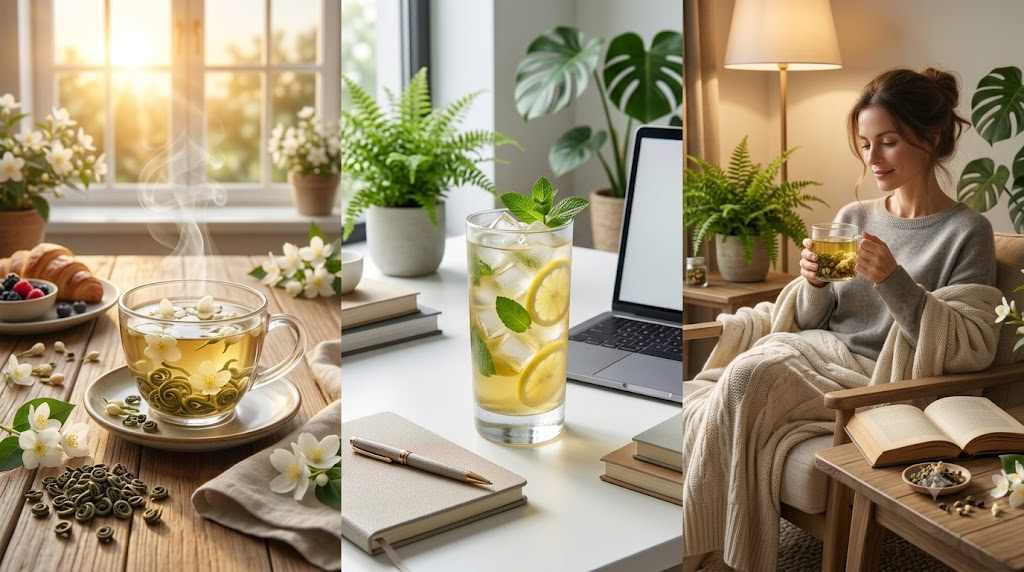
Morning
Green tea based jasmine flower tea provides gentle energy and can be a refreshing alternative to coffee.
Afternoon
Its balanced flavor makes it a great choice for a midday break, helping you recharge without the heaviness of sugary drinks.
Evening
If you’re avoiding caffeine later in the day, choose an herbal jasmine flower infusion made only from dried blossoms.
📌 Quick Answer
Can you drink jasmine flower tea every day?
For most healthy adults, enjoying jasmine flower tea in moderation can be part of a balanced lifestyle. If you are sensitive to caffeine, pregnant, breastfeeding, or have a medical condition, consult your healthcare provider about the amount that is appropriate for you.
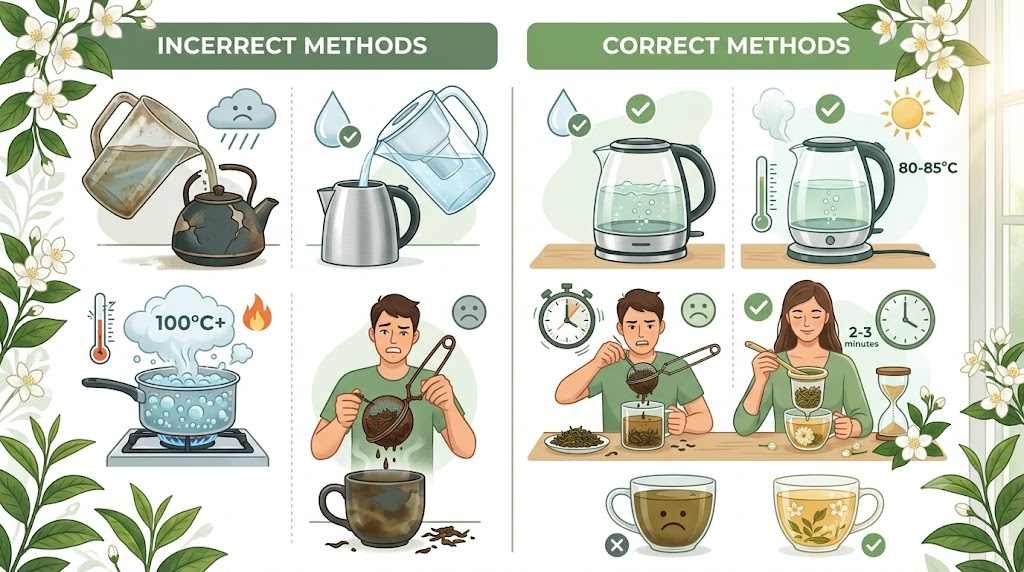
Common Brewing Mistakes to Avoid
Even premium tea can lose its charm if it’s not prepared correctly.
Using Boiling Water
High temperatures may make green tea based jasmine flower tea taste bitter and reduce its delicate aroma.
Over-Steeping
Steeping the tea for too long can result in an astringent flavor. Stick to the recommended brewing time for the best balance.
Poor Water Quality
Chlorinated or heavily mineralized water can affect the tea’s taste. Filtered water is generally the best option.
Incorrect Storage
Exposure to air, moisture, heat, or strong odors can reduce freshness and flavor over time.
Choosing High-Quality Jasmine Flower Tea
Selecting the right tea is just as important as brewing it correctly.
Look for Natural Scenting
Authentic jasmine flower tea is naturally scented with fresh jasmine blossoms. Avoid products that rely heavily on artificial flavorings.
Prefer Loose-Leaf Tea
Loose-leaf tea usually contains larger, less processed leaves, offering a richer aroma and more nuanced flavor than many tea bags.
Read the Ingredient List
Choose products with simple ingredients, such as tea leaves and jasmine blossoms. Fewer additives generally mean a more authentic tea experience.
Buy from Trusted Sources
Look for brands that provide details about tea origin, harvesting practices, and quality standards. Transparency often reflects a commitment to quality.
Proper Storage Tips
To preserve the flavor and aroma of your jasmine flower tea:
- Store it in an airtight container.
- Keep it in a cool, dry place.
- Protect it from direct sunlight.
- Keep it away from spices and other strongly scented foods, as tea leaves can absorb surrounding odors.
- Avoid frequent exposure to humidity.
Proper storage helps maintain freshness and ensures every cup tastes as intended.
Possible Side Effects and Precautions
For most healthy adults, jasmine flower tea is safe when enjoyed in moderation. However, a few considerations are worth noting.
Caffeine Sensitivity
Traditional jasmine teas made with green, black, white, or oolong tea naturally contain caffeine. If you are sensitive to caffeine, you may experience restlessness or difficulty sleeping if you consume large amounts.
Pregnancy and Breastfeeding
If you are pregnant or breastfeeding, discuss your caffeine intake with your healthcare provider to determine what is appropriate for your individual circumstances.
Iron Absorption
Tea may reduce the absorption of non-heme iron from plant-based foods when consumed alongside meals. If you have low iron levels, consider drinking tea between meals instead.
Allergic Reactions
Although uncommon, allergies to jasmine or other botanical ingredients can occur. If you notice unusual symptoms after drinking jasmine flower tea, discontinue use and seek medical advice.

🌿 Did You Know?
The quality of jasmine flower tea is influenced by both the tea leaves and the jasmine blossoms. Premium producers often repeat the scenting process multiple times, allowing the leaves to absorb a deeper, more refined floral aroma without relying on artificial fragrances.
Creating a Daily Tea Ritual
One of the most rewarding aspects of jasmine flower tea is the opportunity it creates to slow down.
Rather than treating tea as just another beverage, consider making it part of a mindful daily routine:
- Begin your morning with a quiet cup before checking emails.
- Take a mid-afternoon tea break to refresh your focus.
- Pair tea with reading, journaling, or light stretching.
- Share a pot of jasmine flower tea with friends or family as a simple act of hospitality.
Small rituals like these can make everyday moments feel more intentional and enjoyable.
Jasmine Flower Tea vs. Other Popular Teas
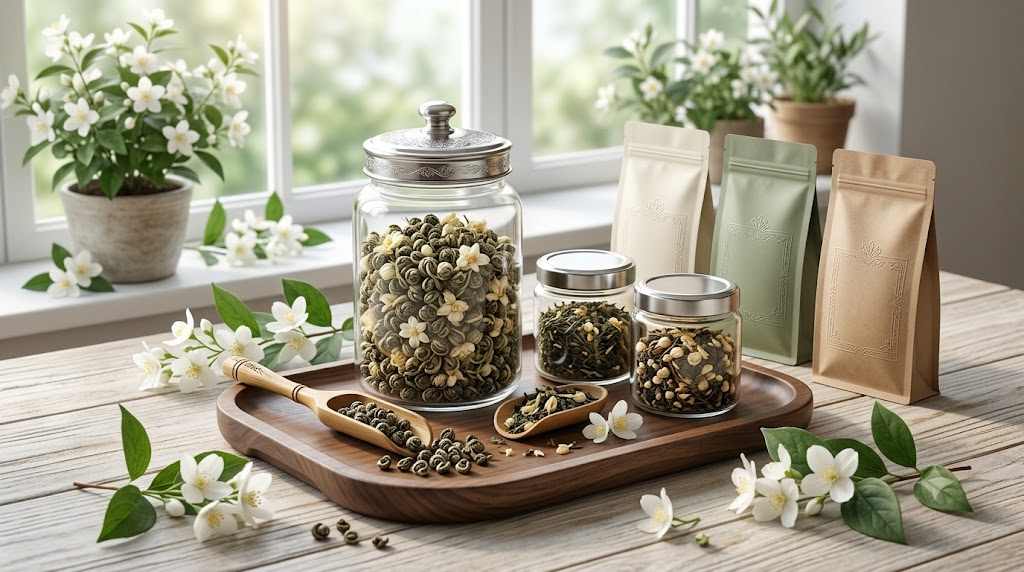
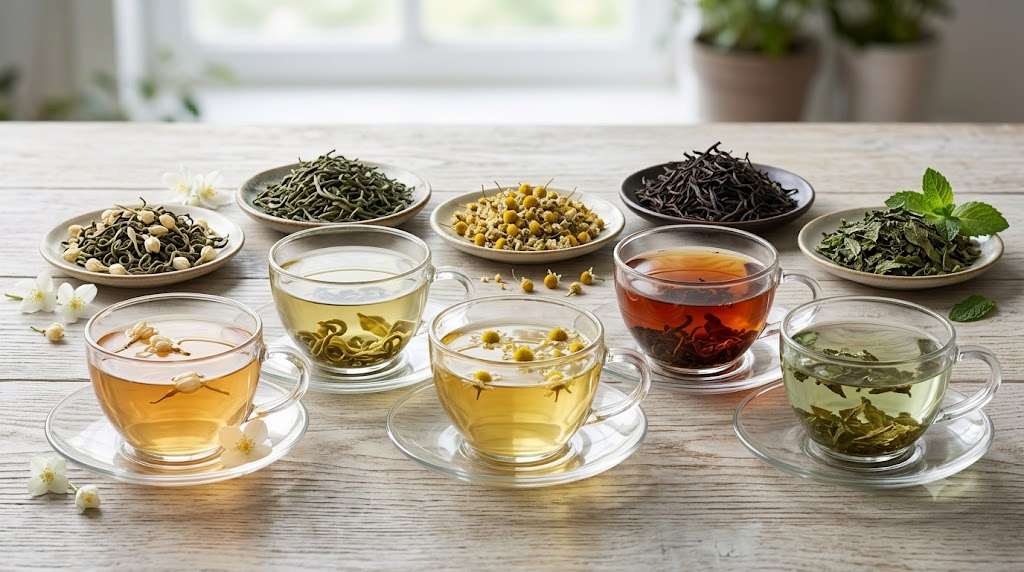
With so many tea varieties available today, choosing the right one often depends on your personal preferences, caffeine tolerance, and wellness goals. While each tea offers something unique, jasmine flower tea stands out for its delicate floral aroma and balanced flavor.
| Tea Type | Flavor Profile | Caffeine | Best For |
|---|---|---|---|
| Jasmine Flower Tea | Floral, smooth, lightly sweet | Moderate (unless herbal) | Daily wellness, relaxation, mindful tea rituals |
| Green Tea | Fresh, grassy | Moderate | Antioxidant-rich everyday beverage |
| Chamomile Tea | Mild, floral, apple-like | None | Evening relaxation |
| Black Tea | Bold, rich | Higher | Morning energy |
| Peppermint Tea | Cool, refreshing | None | Herbal beverage after meals |
Each tea has its own place in a balanced lifestyle. If you’re looking for a drink that combines tradition, aroma, and versatility, jasmine flower tea is an excellent option.
How to Choose Premium Jasmine Flower Tea
Not all jasmine teas are created with the same level of care. Choosing a high-quality product can significantly improve both flavor and overall tea drinking experience.
When shopping, consider the following:
✔ Choose Naturally Scented Tea
Premium jasmine flower tea is traditionally scented with fresh jasmine blossoms instead of artificial flavorings.
✔ Prefer Loose-Leaf Tea
Loose-leaf tea often contains larger, whole leaves that provide a fuller aroma, smoother flavor, and can usually be steeped multiple times.
✔ Read the Ingredient Label
The ingredient list should be simple, typically containing tea leaves and jasmine blossoms without unnecessary additives.
✔ Buy from Trusted Brands
Look for companies that provide information about tea origin, harvesting practices, and quality control. Transparency is often a sign of a reputable producer.
Frequently Asked Questions (FAQ)
Is jasmine flower tea naturally caffeine-free?
Not always. Traditional jasmine flower tea is commonly made using green, white, black, or oolong tea, all of which naturally contain caffeine. Herbal jasmine flower infusions made only from dried jasmine blossoms are generally caffeine-free.
Can I drink jasmine flower tea every day?
For most healthy adults, moderate daily consumption can fit well into a balanced lifestyle. If you have specific health concerns or are sensitive to caffeine, consult your healthcare provider.
What does jasmine flower tea taste like?
It has a smooth, delicate flavor with naturally sweet floral notes. Depending on the tea base, you may also notice light vegetal, fruity, or malty undertones.
Is jasmine flower tea good for beginners?
Yes. Its gentle flavor and pleasant aroma make it one of the easiest teas for new tea drinkers to enjoy.
Can jasmine flower tea help with weight loss?
No single tea causes weight loss. However, replacing sugar-sweetened beverages with unsweetened jasmine flower tea may support healthy weight management as part of a balanced diet and active lifestyle.
Can jasmine flower tea be enjoyed cold?
Absolutely. It can be served hot, iced, or cold brewed, making it a versatile beverage throughout the year.
How long should I steep jasmine flower tea?
Most green tea–based jasmine flower teas are best steeped for 2–3 minutes in water heated to 175°F–185°F (80°C–85°C). Adjust the brewing time slightly to suit your taste.
How should I store jasmine flower tea?
Store it in an airtight container in a cool, dry place away from direct sunlight, heat, moisture, and strong odors to preserve its freshness and aroma.
Final Thoughts
From its elegant floral fragrance to its centuries-old heritage, jasmine flower tea offers far more than a pleasant cup of tea. It represents craftsmanship, tradition, and the simple pleasure of slowing down in a fast-paced world.
Whether you enjoy it as a morning refreshment, an afternoon pause, or a calming evening ritual with a caffeine-free herbal infusion, jasmine flower tea can become a meaningful part of your daily routine. While no beverage can replace a healthy lifestyle, choosing a naturally flavored tea over sugary drinks is a simple step that supports healthier everyday habits.
At Botany Growe, we believe that informed choices begin with reliable information. We hope this guide has helped you better understand jasmine flower tea—from how it is crafted to how you can brew, enjoy, and appreciate it at home. As you continue exploring the world of botanical beverages, let curiosity guide your next cup.
Key Takeaways
- Authentic jasmine flower tea is naturally scented with fresh jasmine blossoms.
- Green tea is the most common base, though white, black, and oolong varieties are also available.
- Herbal jasmine flower infusions are generally caffeine-free.
- Proper brewing temperature helps preserve the tea’s delicate floral flavor.
- Unsweetened jasmine flower tea can be a refreshing alternative to sugary beverages.
- Quality, freshness, and natural ingredients make a noticeable difference in taste.